About
An operator who builds.
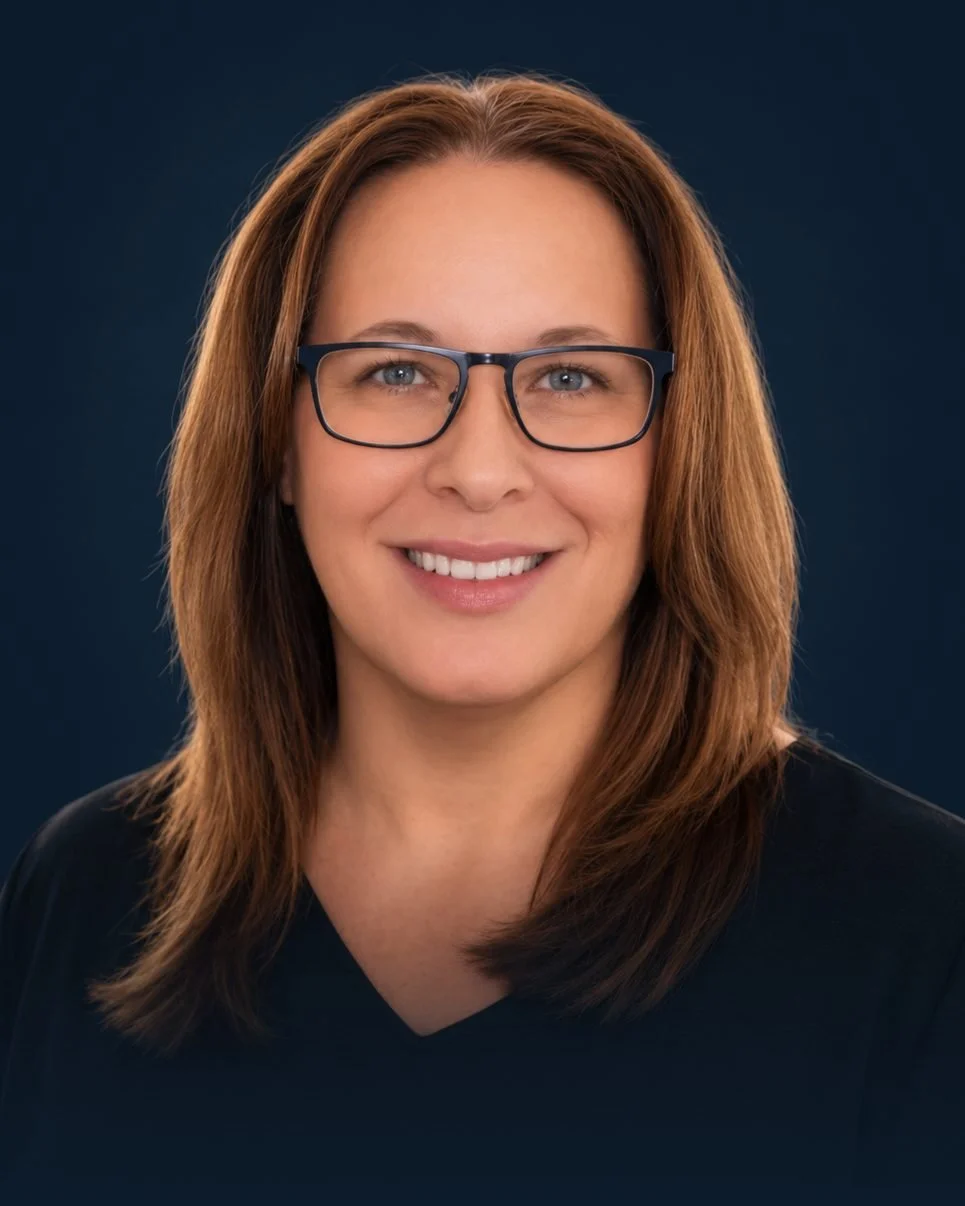
I'm Vickie Nickel. My whole life, I've made order out of chaos. For more than twenty-five years that has been my work, in my own firm and inside other people's companies. Greenwich is how I do it now: operational judgment, with AI built into how the work runs.
Four seats
I've sat where you're sitting.
Every one of them taught me the same thing: hiring more people is not the same as distributing understanding.
The founder
Building my own firms: the clients, the team and the projects, all held together in one place.
The operator
Brought in as the online business manager inside my clients' businesses, running the operations behind their work.
The glue
Part-time and full-time roles across several industries. Whatever the title, everyone called me the glue.
Wife and mother
Holding a family's weight, with systems that keep life from sideswiping work, and work from sideswiping life.
Why Greenwich
A fixed point to steer by.
In 1884, the Greenwich Meridian became the world's common reference for longitude, a shared point from which navigators could measure position and chart a course. That is what we give a business: one place to see where things stand, and steer from.
The name also honors my father, Michael Peter Lowe. He was British, loved to sail, and spent more than 30 years helping people achieve their goals. He died in April 2020.
The words we use come from his world: the Helm, the Logbook, Standing Orders, Waypoints. So does the rule underneath them. Greenwich is the navigator. You remain the captain.
51°28′40″N · the gold line on every page
How Greenwich has evolved
A document I never sent.
Greenwich began as advisory work, helping leaders see their business clearly. The question underneath it is older. My first question to a new CEO, long before AI, was "What would the perfect day look like?" He asked, "Personally or professionally?" I said, "Wherever you want to start." The obstacles to that day were the first things I took over.
This year, a casual conversation with a former boss turned to AI. He had a problem; I started solving it. I began with what he needed to see each week, and realized his assistant and his team could feed it without doing more work. Then I realized it didn't have to stop with him. Every leader around him could work the same way.
I worked it all out for him: my thinking, captured and organized by AI, in a document called A Quiet Operating System. This was its first page.
A practical operating model
A Quiet Operating System
How a CEO, an executive assistant and AI turn recurring coordination into a decision-ready operating rhythm
The idea in one lineDefine the rules once. Let the assistant supply the human context. Let the AI watch the connected systems, do the repeatable analysis, and deliver the right brief at the right cadence.
This is not a replacement for an excellent assistant. It is a way to remove the mechanical work that keeps an excellent assistant from doing higher-value work, and to stop the CEO from becoming the integration point for every update.
Starter playbook · September 2026
I never sent it. It became what Greenwich builds now. I built it on my own work first, and somewhere in the second week I realized I was spending my time directing and guiding the work instead of doing it.
Fifteen years ago · three years
This time · three months
Same experience, with a system built around it. AI didn't replace what I know. It amplified it.
How we work
Judgment, written down.
Every build follows the same rules. They're the part of the work that's hardest to copy.
Start with people.
The business runs through them.
Understand before you solve.
No tool before the problem is understood.
Start from what exists.
Your accounts, your documents, the automations that already work.
AI proposes. You decide.
Your Standing Orders set what needs your yes.
Nothing counts as done without evidence.
A build is finished when it runs on your real work.
If you're building instead of doing, the system says so.
The point is to give your time back, not take more of it.
Start here
Thirty minutes. Then we do the mapping.
Walk us through how the work actually runs. Afterward we study what you shared and send you a roadmap: what we found and what to build first. Yours to keep, whether or not we build it together.
Walk us through your week Not ready? Start with the chaos calculator